
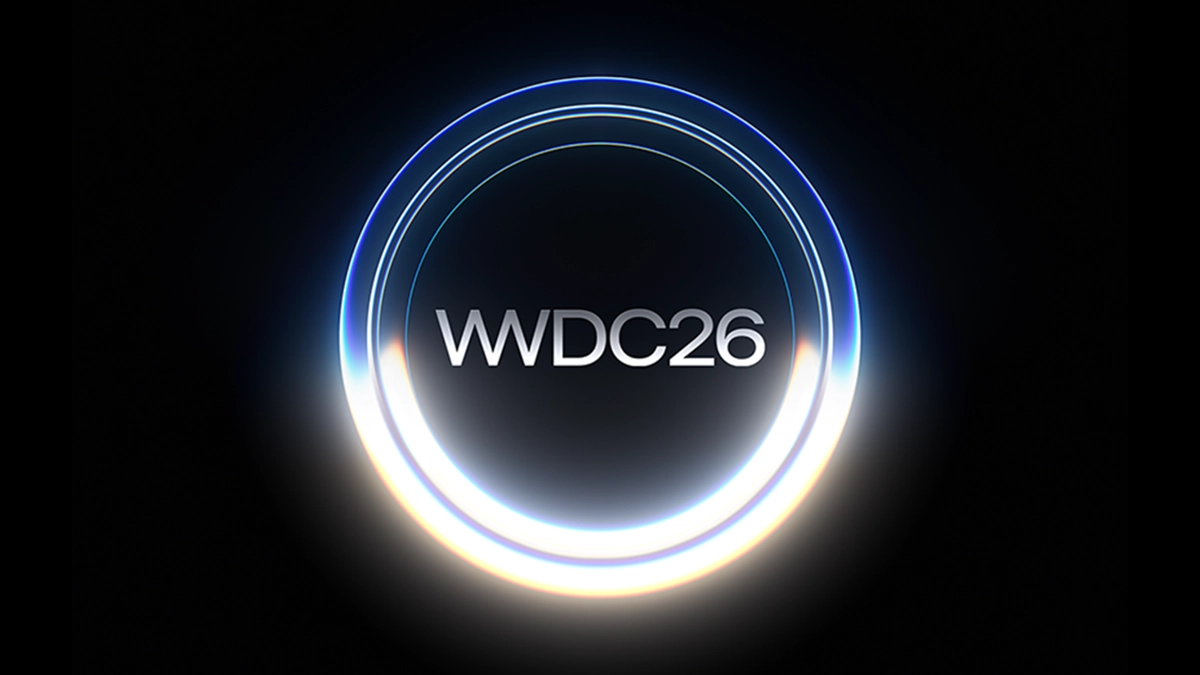
Apple’s Worldwide Developers Conference kicked off today at 10am PT from Apple Park, and there’s one sentence that summarizes the whole thing: Apple couldn’t fix Siri alone, so it paid Google to do it.
The Elephant in the Room: Siri and Google Gemini
Two years ago, Apple stood on this same stage and promised a smarter, more capable Siri. What followed was a long string of delays, an internal engineering mess, and eventually a class-action lawsuit that reached a $250 million preliminary settlement in May. Today was Apple’s attempt at making all of that go away.
The new Siri is powered by a custom 1.2-trillion-parameter Google Gemini model. According to reporting by Bloomberg and TechTimes, Apple is paying roughly $1 billion per year for access. That’s not a partnership — that’s Apple admitting it bought what it couldn’t build.
The rebuilt Siri is genuinely different this time. It lives in the Dynamic Island, functions as a standalone app, and works like an actual chatbot rather than a search bar that mishears you. You can type or speak, attach images, PDFs, and documents via a paperclip icon, and get responses that resemble a back-and-forth conversation. The interface is dark — no light mode, matching Apple’s WWDC branding — and the design borrows heavily from what ChatGPT and Claude look like today.
Apple is also letting rival AI systems in. ChatGPT integration was already there. Now Gemini and reportedly Claude can be set as the default chatbot through Siri’s new Extensions system. Apple positioning itself as the platform layer on top of multiple AI models is actually smart — it means users get choices, and Apple doesn’t have to win the AI race itself.
Whether this new Siri works as advertised is a fair question to ask before getting excited. The last time Apple made these promises, the features took 18 months to not arrive. Developer betas drop today. Real answers should start coming in over the next few weeks.
iOS 27: What’s Actually New
Beyond Siri, iOS 27 refines a lot of what iOS 26 introduced. The Liquid Glass design language stays — despite the complaints — though Apple is adding more customisation options, which suggests even the company knows the feedback wasn’t entirely positive.
Camera and Photos updates are where the on-device AI story gets interesting:
- The Photos app now includes AI editing tools called Extend, Enhance, and Reframe, built on the existing Clean Up feature. Gemini reportedly improves Clean Up results in the background.
- Visual Intelligence moves into a dedicated Camera app Siri mode. You can scan nutrition labels and have the data flow directly into the Health app. You can scan a business card and push the contact info directly into Contacts. Small things, but the kind that feel useful rather than demo-ready.
- Camera controls are now customisable — you can swap out the top row of shortcuts for your preferred tools like exposure, timer, depth of field, and resolution. This was overdue.
Accessibility got real attention too. Voice Control now supports natural language interactions instead of rigid command syntax. On-device subtitles are improved. VoiceOver and Magnifier get better image descriptions powered by Visual Intelligence.
The iOS 27 device cut is worth noting. iPhone 11 won’t support iOS 27. If you’re running an iPhone 11, this is the year you get left behind. iPhone 12 and later are in.
macOS 27 and the Intel Mac Exit
macOS Tahoe (2025) was the last version to support Intel Macs. macOS 27 is Apple Silicon only. If you’re on an Intel MacBook or iMac, the software upgrade train ends here. Apple isn’t making a fuss about this — it’s just quietly closing the door.
For Apple Silicon users, macOS 27 focuses on bug fixes, battery life improvements, and deeper Apple Intelligence integration. The same Siri overhaul showing up on iPhone lands on Mac too. The standalone Siri app, Extensions, chatbot-style interface — all of it comes to macOS.
Tim Cook’s Last WWDC
This is, by all accounts, Tim Cook’s final keynote as CEO. He announced his retirement on April 20, 2026, with a September 1 handover to John Ternus. Whatever you think of how Apple managed its AI stumble over the past two years, today was clearly designed to close that chapter.
The WWDC tagline is All Systems Glow. The vibe was redemption. Cook presenting a rebuilt Siri on a foundation of Google’s infrastructure is either a humbling admission or a genuinely smart platform move — probably both.
What Wasn’t Announced
No hardware. The M5 Mac Studio, M5 Mac mini, and a possible iMac refresh are expected later in 2026, but RAM shortages may push them further out. The rumoured iPhone Fold — reportedly priced around $2,400 — was always going to be a fall announcement, not a June one. No HomePad, no Apple TV hardware refresh, despite both being reportedly ready to ship.
Full What-to-Expect Summary
| What | Details |
|---|---|
| Siri 2.0 | Powered by 1.2T-parameter Google Gemini model ($1B/year deal), standalone app, chatbot UI, Extensions for ChatGPT/Claude/Gemini |
| iOS 27 | Liquid Glass refinements, AI Photos editing (Extend/Enhance/Reframe), customisable Camera controls, Visual Intelligence nutrition + contact scanning, iPhone 11 dropped |
| iPadOS 27 | Same Siri overhaul and Apple Intelligence features as iOS 27 |
| macOS 27 | Apple Silicon only (Intel Macs dropped), battery/bug fixes, full Siri app, Apple Intelligence integration |
| watchOS 27 | New AI features, Siri improvements |
| visionOS 27 | Apple Intelligence and Siri updates for Vision Pro |
| Developer Betas | Released today (June 8) — public betas expected July, full release September |
| Hardware | Nothing announced — Mac Studio, Mac mini, iMac updates expected later in 2026 |
| Tim Cook | Final WWDC keynote — handing CEO role to John Ternus on September 1 |
The Honest Take
Apple needed this to go well. The $250 million settlement, the blown timelines, the internal chaos that leaked out in drips over the past 18 months — none of it looked good. Today’s event doesn’t erase that, but it does provide something concrete: a rebuilt product that people can actually download and test.
The Gemini partnership is the biggest story here. Apple built its entire brand on vertical integration and keeping competitors out. Paying Google a billion dollars a year to run Siri’s brain is a real shift. Whether users care about that, or just care whether the assistant can finally book a dinner reservation without failing, is probably the more relevant question.
For Latest Tech Updates Please follow us :
facebook | twitter | instagram | telegram | whatsapp