
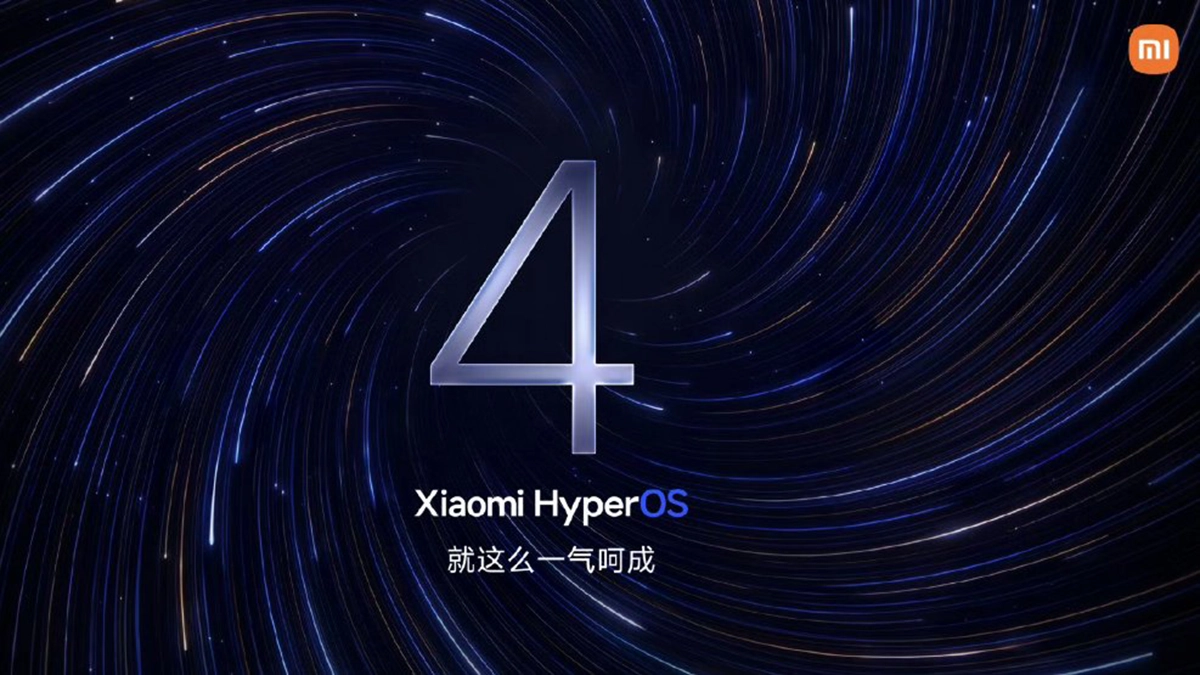
Xiaomi unveiled HyperOS 4 on Thursday, its next big software update, promising a reworked interface, new AI tools, and faster performance under the hood. The headline visual change is a glass-style look with refraction effects — the kind of thing that will draw obvious comparisons to Apple’s Liquid Glass on the iPhone. The beta rolls out first with Super AI Assistant 2.0, built on Xiaomi’s own MiMo language model.
Who gets it, and when
Beta testing starts today for a first wave of flagship phones and tablets, though it looks to be China-only for now. That group covers the Xiaomi 17 Ultra, Xiaomi 17 Ultra Leica Edition, Xiaomi 17 Pro Max, Xiaomi 17 Pro, Xiaomi 17, Redmi K90 Pro Max, Redmi K90 Pro Max Champion Edition, Redmi K90, Xiaomi Pad 8 Pro, and Xiaomi Pad 8.
A second batch joins on August 27: Xiaomi 17 Max, Xiaomi 17T Pro, Xiaomi 17T, Xiaomi 15 Ultra, Xiaomi 15 Ultra Satellite Edition, Xiaomi 15S Pro, Xiaomi 15 Pro, Xiaomi 15, Redmi K90 Max, Redmi K90 Ultra, and Redmi K Pad 2.
A third round follows on September 17, covering the Redmi K100 Pro Max, Redmi K100 Pro, Redmi K80 Pro, Redmi K80 Pro Extreme Edition, Redmi K80, Xiaomi Mix Flip 2, Xiaomi Pad 7 Ultra, and Xiaomi Pad 7S Pro 12.5.
No word yet on when — or whether — this rollout schedule extends beyond China.
What’s actually new
One quirk worth knowing: Xiaomi doesn’t tie HyperOS version numbers to Android releases. HyperOS 3 shipped on both Android 16 and, more recently, Android 17, depending on the device — so HyperOS 4’s number tells you nothing about which Android version sits underneath.
The interface overhaul is built around that glass-like design language, with the company saying supported UI elements will render realistic refraction. Personalization gets a bump too: users can rearrange the clock and notifications, resize folders, and group widgets together. Xiaomi also says app transitions between portrait and landscape are smoother now, and floating windows rotate to match whatever app is running in them.
On performance, Xiaomi claims app loading is up to 18 percent faster than HyperOS 3 after nine hours of use. Part of that comes from predictive loading — the system tries to guess what a user will do next and preloads the relevant resources into RAM before they act.
The other centerpiece is Super AI Assistant 2.0, running on Xiaomi’s in-house MiMo model. According to Xiaomi, it handles voice transcription, organizes notes, searches through photos, helps put together travel plans, and can control compatible smart home devices and cars. There’s also a new feature called Inspiration Ball, meant to feed contextual information into the interface and the assistant as you use the phone.
For Latest Tech Updates Please follow us :
facebook | twitter | instagram | telegram | whatsapp